
Preschool Abacus Class Guide for Confident Learners


A preschooler sliding beads with both hands may look as though they are simply playing with a colourful learning tool. Yet each small movement can teach something bigger: numbers have order, quantities can change and a challenging question can be solved step by step. This preschool abacus class guide helps parents understand what a quality programme should offer and how to choose a class that makes early mathematics feel exciting rather than overwhelming.
For children as young as three, the best first experience is not about racing through sums. It is about building familiarity, coordination, listening skills and confidence with numbers. Speed and accuracy can grow from there through patient, progressive practice.
Why a Preschool Abacus Class Can Make a Difference
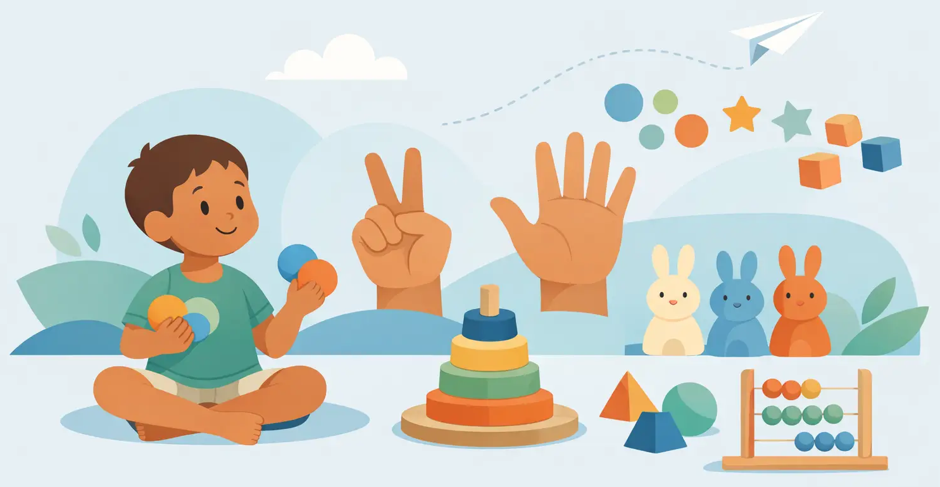
Preschool is a valuable window for learning through movement, repetition, sound and visual patterns. An abacus gives children a hands-on way to see numbers rather than only memorising them. When they move beads to make a quantity, add to it or take beads away, arithmetic becomes concrete.
This matters because young learners do not all understand numbers from worksheets alone. A child may be able to recite from one to 20 but still need time to understand that eight is larger than five, or that adding two objects changes a group. The physical abacus bridges that gap. Children can see and feel the calculation before they are asked to picture it mentally.
A well-taught programme also develops skills beyond calculation. Following a teacher's rhythm, using the correct fingers, watching a demonstration and checking an answer all encourage concentration and self-control. As children advance, they begin to visualise the abacus in their minds. This is where mental arithmetic becomes a whole-brain activity that strengthens attention, memory and visual thinking.
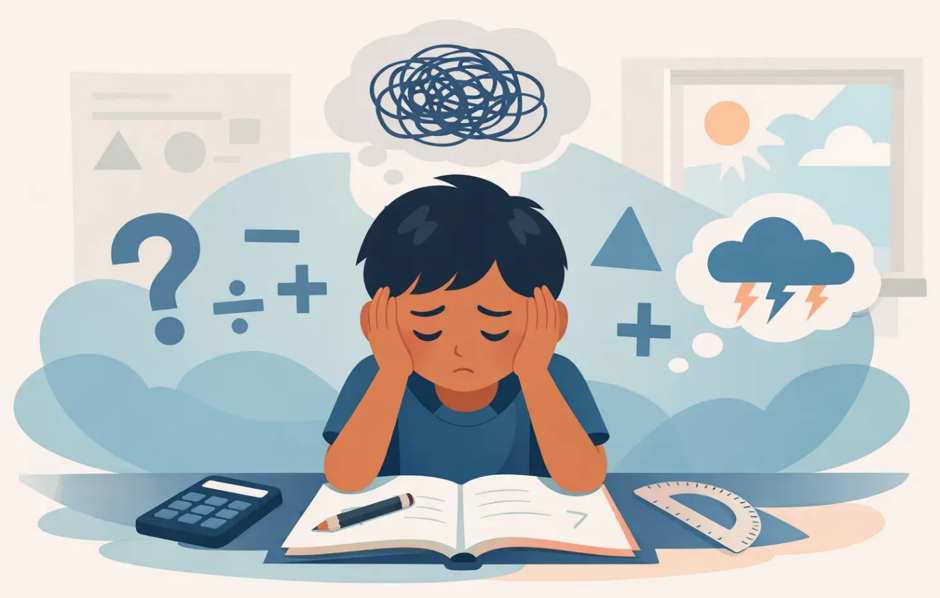
There is a trade-off, however. An abacus class is most helpful when it is taught as a structured learning journey, not as a performance drill. Pushing speed before a child understands number value can lead to guessing or frustration. A strong class balances joyful participation with clear technique and steady expectations.
What a Good Preschool Abacus Class Looks Like
A quality preschool abacus class should feel purposeful from the first lesson. Children need routines, but they also need variety. The most effective sessions combine demonstration, guided hands-on practice, oral work, visual activities and age-appropriate games so that children stay engaged while repeating essential skills.
A Method Children Can Use Correctly
Look for an instructor who teaches a consistent method rather than asking children to move beads any way they like. At Mentalmatics, children learn a two-hand, four-finger abacus method designed to support efficient calculation as they progress. For preschoolers, correct finger movements are not a minor detail. They build the foundation for accuracy and fluency later.
Teachers should model each movement clearly, then observe children closely as they try it themselves. Young children often need gentle reminders about posture, hand position and which bead to move. A supportive correction in the moment prevents an incorrect habit from becoming harder to change.
A Clear Progression from Concrete to Mental Skills
The first goal is comfort with the physical abacus. Children learn number recognition, bead values, simple combinations and the meaning of addition and subtraction. Once those basics are secure, they can work toward faster responses and mental visualisation.
The right pace depends on the child. Some preschoolers quickly recognise patterns and are ready for more challenging exercises. Others need additional repetition before they can confidently calculate. A good programme has a structured curriculum with milestones, while allowing instructors to reinforce a skill when a learner needs more time.
Parents should also ask whether the curriculum prepares children for all four core operations over time: addition, subtraction, multiplication and division. A preschool beginner will not tackle every operation at once, but an established pathway helps ensure that early lessons lead somewhere meaningful.
Learning That Feels Like Success
Children are more willing to attempt difficult work when they associate mathematics with encouragement. Songs, music, games, flash activities and visual exercises can make practice lively without turning every lesson into entertainment. The learning objective should remain clear, but the experience should be enjoyable enough that children want to return the following week.
Praise is especially powerful when it is specific. Instead of only saying good job, an instructor might recognise that a child used the correct fingers, listened carefully, checked an answer or kept trying after making a mistake. These moments build the confidence children need to become resilient learners.
Choosing the Right Preschool Abacus Class
When comparing programmes, begin with your child's readiness rather than choosing based on a promise of the fastest results. A child does not need to be advanced in maths to begin. Curiosity, the ability to participate in a short group activity and a willingness to imitate simple movements are often enough.
Class size and teacher attention matter. Preschool learners benefit from an instructor who can see whether each child is following the movement and understanding the question. In a very large group, a quiet child may copy others without truly grasping the concept. Smaller or well-supported classes make it easier for teachers to give timely guidance.
Before enrolling, ask practical questions about the programme:
How are children grouped by age, ability and prior abacus experience?
What does a typical lesson include besides worksheet practice?
How is progress measured in understanding, speed and accuracy?
What support is available if a child misses a lesson or needs more practice at home?
A trial class can be particularly useful. Watch whether your child is comfortable with the teacher, interested in the activities and willing to try again after an error. One quiet first lesson is not necessarily a concern. Many children need time to warm up. What matters is whether the environment feels patient, clear and encouraging.
Digital reinforcement can also be valuable, especially for families balancing preschool schedules and home routines. An online learning portal gives children a way to revisit activities at their own pace. It should complement instructor-led learning, though, not replace the careful observation and correction that beginners need.
What Progress Should Feel Like in the First Few Months
Early progress is often less dramatic than parents expect, but it is still meaningful. Your child may begin by naming numbers more confidently, matching quantities to numerals or using the abacus with better control. They may become more comfortable sitting through a structured activity and listening for a sequence of instructions.
As familiarity grows, you may notice that your child starts answering simple number questions more quickly or enjoys showing family members how the beads work. These are positive signs. They suggest that the child is connecting the physical actions with mathematical ideas.
Avoid comparing progress too closely with another child. One learner may demonstrate fast recall, while another shows excellent focus and careful technique. Both strengths matter. Strong foundations protect children from the pressure of trying to be quick before they are ready to be accurate.
Helping Your Child Practice Without Pressure
At home, keep practice short and predictable. Five to ten focused minutes can be more productive than a long session that ends in tears. Ask your child to show you a number, make a small addition or explain what they learned in class. Let them take the lead when possible.
Try not to correct every hesitation immediately. Give your child a moment to think, then offer a calm prompt if needed. If they become tired or upset, pause and return to it later. Preschool learning works best when children feel safe making mistakes and proud of trying.
You can also bring number talk into ordinary moments: counting fruit at breakfast, comparing two groups of toys or noticing the numbers in a lift. These small conversations help children see that mathematics is not separate from daily life.
The right abacus class does more than teach a child to calculate. It gives them an early experience of effort leading to improvement. When a preschooler learns that numbers can be understood, practised and enjoyed, they carry that confidence into every new mathematical challenge ahead.
How Mentalmatics Can Help
At Mentalmatics, everything this guide recommends is what the programme delivers – a structured two-hand, four-finger method, small supportive classes, songs, games and a clear progression from concrete bead work to mental visualisation. Children are welcomed from age three, with trained instructors who model correct technique, offer timely guidance and ensure understanding is secured before each new stage is introduced. An online portal supports practice at home, keeping learning consistent between lessons.
To let your child experience the difference a purposeful, joyful start can make, register for a trial class using the link below!

Comments